
Spinal Health & Chronic Pain Education by a Murfreesboro Chiropractic Clinic

Evidence-informed educational articles covering disc conditions, neuropathy, sciatica, and chronic neck or back pain — designed to help patients understand non-surgical care options and make informed decisions before seeking treatment.

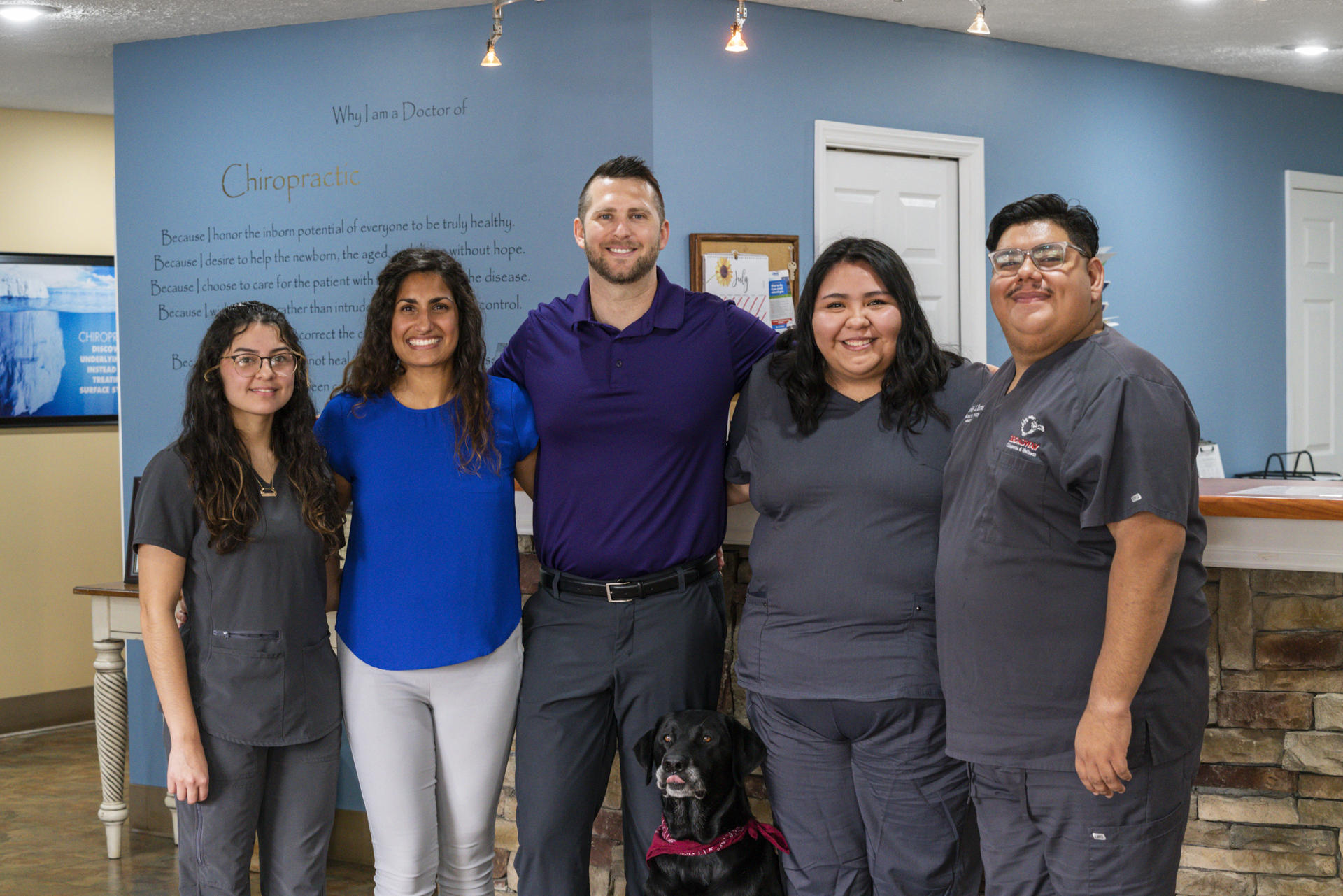
Content is created by the clinical team at The Disc Doctor to support patient education and informed decision-making.
Zoom Image

Medically Reviewed By:
Dr. Matthew T. Jacobs, DC
Chiropractic Physician | Clinical Lead, The Disc Doctor

Content on this page is medically reviewed for clinical accuracy and patient education standards by Dr. Jacobs,

a licensed chiropractic physician with experience treating disc conditions, neuropathy, sciatica, and chronic spinal pain.

[View Dr. Jacobs’ Clinical Bio Here →]

Browse Patient Education Articles

Explore articles organized by spinal condition, nerve pain concerns, and common questions patients ask before starting care.

A person undergoing non-surgical spinal decompression therapy, lying on a specialized table with a harness around their waist and feet, designed to relieve back pain and pressure from herniated discs or nerve compression.

Discover If Spinal Decompression Is Right for You

March 24, 202610 min read

5 Questions to Ask Before Your First Appointment

By The Disc Doctor | Murfreesboro, TN | Spinal Decompression Specialist


If you've been living with chronic back pain, sciatica, or a herniated disc — and you've tried medications, physical therapy, and maybe even injections — you've probably wondered: is spinal decompression the answer for me?

It's the right question. And the honest answer is: not everyone is a candidate. But a large number of people who walk through our door at The Disc Doctor in Murfreesboro, Tennessee — people who feel like they've exhausted every option — turn out to be excellent candidates. They just didn't know it yet.

This article walks you through the five most important questions that help determine candidacy for non-surgical spinal decompression. By the time you finish reading, you'll have a much clearer picture of whether this treatment could work for you.


A woman relaxing during a spinal decompression therapy session in a chiropractic clinic. She is lying on a treatment table with her eyes closed, while a spinal decompression machine is positioned nearby, with a view of the outdoors through the window.

What Is Non-Surgical Spinal Decompression?

Non-surgical spinal decompression is a motorized traction therapy performed on a specialized FDA-cleared table. During treatment, the table gently stretches your spine in a carefully controlled way — creating a negative pressure environment inside your spinal discs.

That negative pressure does something remarkable: it allows bulging or herniated disc material to retract away from irritated nerve roots, while simultaneously drawing in water, oxygen, and nutrients that your disc needs to heal. Sessions typically last 10 to 15 minutes. Most patients find it relaxing — many fall asleep.

It is not the same as traction. It is not a chiropractor cracking your back. It is a precise, computer-controlled decompression protocol designed to target the exact disc levels causing your pain.

Quick Answer: Who Is a Good Candidate for Spinal Decompression? A good candidate is someone with chronic back pain, sciatica, or a disc-related condition (herniated disc, bulging disc, degenerative disc disease, or spinal stenosis) who has not fully responded to conservative treatments and does not have contraindications such as spinal fractures, metal implants, pregnancy, severe osteoporosis, or certain spinal instabilities. The only way to know for certain is a proper clinical evaluation.


The 5 Questions That Determine Your Candidacy


Question 1 — Is your pain coming from a disc or nerve compression issue?

Spinal decompression works best when the root cause of pain is disc-related — meaning a herniated disc, bulging disc, degenerative disc disease, or spinal stenosis that is compressing a nerve.

If your pain is disc-related, you may be an excellent candidate. Common signs include:

  • Sharp, shooting pain that travels down one leg (sciatica)

  • Numbness or tingling in the legs, feet, or toes

  • Back pain that worsens when sitting for long periods

  • Pain that improves temporarily when you lie down

  • An MRI or X-ray showing a herniated, bulging, or degenerated disc

If your pain is caused by something unrelated to disc or nerve compression — such as a muscle strain, fracture, or inflammatory arthritis — decompression is likely not the right tool. This is exactly why a proper assessment matters: the goal is to match the treatment to the actual pain generator, not guess.

Q: Does spinal decompression help sciatica? Yes. Sciatica caused by a herniated or bulging disc pressing on the sciatic nerve is one of the most common conditions treated with non-surgical spinal decompression. By reducing the disc pressure that is irritating the nerve, many patients experience significant relief in both back and leg pain.


Question 2 — Have you already tried conservative treatments without full relief?

Spinal decompression isn't typically the first treatment offered — and it shouldn't be. Most patients who come to us have already tried:

  • Physical therapy

  • Chiropractic adjustments

  • Prescription pain medications or anti-inflammatories

  • Epidural steroid injections

  • Rest and activity modification

If those approaches gave you temporary relief but didn't solve the underlying problem, that's actually a strong indicator for decompression. It suggests your disc is not going to heal on its own with conservative care alone — and that the mechanical issue (compressed disc pressing on a nerve) needs to be directly addressed.

Many of our patients come to us as a last resort before agreeing to surgery. That's fine — but we'd rather they came sooner. The longer a disc remains compressed and a nerve remains irritated, the harder the recovery.

"I'd done 6 months of PT, two rounds of injections, and was told surgery was my only option. Within 3 weeks of starting decompression I was sleeping through the night for the first time in two years." — Decompression patient, Murfreesboro TN


Question 3 — Do you have any conditions that would contraindicate treatment?

This is the most important safety question — and it's one that a qualified provider will always evaluate before starting treatment. Non-surgical spinal decompression is not appropriate for everyone.

You are NOT a good candidate if you have any of the following:

  • Spinal fractures: Decompression requires controlled traction. An unstable or recent fracture cannot withstand this force.

  • Metal spinal implants (rods, screws, cages): Hardware from prior spine surgery changes the spinal anatomy in ways that make decompression unsafe.

  • Pregnancy: The abdominal harness used during treatment is contraindicated in pregnancy.

  • Severe osteoporosis: Brittle bones cannot safely tolerate traction forces.

  • Abdominal aortic aneurysm: The pressure changes involved in treatment pose a cardiovascular risk.

  • Spinal tumors or metastatic cancer: Active cancer in the spine is an absolute contraindication.

  • Spinal infections (discitis): Active disc space infection can worsen with traction.

  • High-grade spondylolisthesis: Significant vertebral slippage creates instability that decompression cannot address and may worsen.

Note on prior back surgery: Having had back surgery does not automatically disqualify you. Many patients who had a laminectomy or discectomy — but not spinal fusion with hardware — are still excellent candidates. Each case requires individual evaluation.

Q: Can I do spinal decompression if I've had back surgery? It depends on the type of surgery. If you had a discectomy or laminectomy without hardware implants, you may still be a candidate. If you have metal rods, screws, or a spinal fusion cage, you are generally not a candidate for decompression at that level. A thorough review of your surgical records and imaging is required.


Question 4 — Is your pain chronic (more than 6–8 weeks) rather than acute?

Spinal decompression is a healing therapy, not an emergency intervention. It works best for chronic, ongoing pain — not for acute injuries that occurred in the last few days.

If you recently injured your back in the last 2–4 weeks, the first priority is reducing inflammation and protecting the area. Decompression during the acute inflammatory phase can sometimes aggravate symptoms rather than help.

If your pain has been present for 6 weeks or longer — especially if it comes and goes, or has been progressively worsening — you're in the window where decompression is most likely to help. Chronic disc problems that have not responded to time or conservative care are precisely what this therapy is designed for.

More Likely a Candidate:

  • Pain lasting 6+ weeks

  • Disc herniation on MRI

  • Radiating leg/arm pain (sciatica)

  • Failed conservative care

  • No metal hardware in spine

Less Likely a Candidate:

  • Acute injury (0–2 weeks)

  • Metal spinal implants

  • Spinal fracture or tumor

  • Severe osteoporosis

  • Pregnancy


Question 5 — Are you willing to commit to a full course of treatment?

This question is different from the others — it's not about your diagnosis. It's about your readiness.

Non-surgical spinal decompression is not a one-session fix. A typical treatment protocol involves 15 to 20 sessions over 4 to 6 weeks. A typical treatment protocol starts with at least 3 sessions per week, especially at the start, because the healing process requires consistent stimulation. Total treatment time will depend on your specific case and condition.

Patients who see the best results are those who:

  • Show up consistently and don't skip sessions

  • Follow at-home recommendations (stretches, posture, activity modifications)

  • Avoid activities that aggravate their condition during treatment

  • Stay patient — some patients feel improvement in week one, others take 3–4 weeks

If you're someone who can commit to that protocol, candidacy isn't just about your MRI. It's about your readiness to follow through — which, based on the patients we've seen at The Disc Doctor, often determines the outcome more than any other factor.


Close-up of a person holding their knee in pain while wearing a blue jacket and a black smartwatch, possibly experiencing a sports injury or discomfort while exercising outdoors.

The Patients We See Most Often

At The Disc Doctor, the patients who come to us — and who tend to respond best to decompression — typically fall into one of these categories:

  • The person who was told surgery is their only option: Often, they haven't been properly evaluated for non-surgical alternatives. Many are excellent decompression candidates.

  • The person on long-term pain medication: Medications manage symptoms but don't address the mechanical cause. Decompression targets the source.

  • The person who tried PT and felt better temporarily: PT strengthens muscles around the disc but doesn't decompress the disc itself. These patients often respond well.

  • The post-injection patient: Steroid injections reduce inflammation but don't correct disc position. When the inflammation returns, so does the pain. Decompression addresses the disc.

  • The person who has had one back surgery but the pain returned: Recurrent disc herniation after discectomy is common. Many of these patients are still candidates.


Find Out If You're a Candidate — Murfreesboro, TN

If you're in Murfreesboro or the surrounding Middle Tennessee area and you've been living with back pain, sciatica, or a disc condition that hasn't fully responded to other treatments, the next step is simple: come in for an assessment.

We'll review your imaging, examine your spine, and give you a straight answer about whether spinal decompression is the right path for you. No guessing. No pressure.

📍 The Disc Doctor — Murfreesboro, TN Call or click to schedule your appointment today.


Frequently Asked Questions

Q: How many spinal decompression sessions will I need? A typical treatment protocol starts with at least 3 sessions per week, especially at the start, because the healing process requires consistent stimulation. The exact number depends on your specific condition, how long you've had symptoms, and how your body responds to early sessions.

Q: Is spinal decompression painful? Most patients find decompression comfortable — many fall asleep during sessions. You may feel a gentle stretching sensation. Some patients experience mild soreness for a few hours afterward, similar to a post-workout feeling. If treatment causes pain during the session, that is a signal to stop and reassess.

Q: Does insurance cover spinal decompression? Most insurance plans do not cover non-surgical spinal decompression. At The Disc Doctor, we offer flexible payment options and discuss costs transparently before any treatment begins.

Q: What conditions does spinal decompression treat? Non-surgical spinal decompression is most commonly used to treat herniated discs, bulging discs, degenerative disc disease, sciatica, spinal stenosis, and facet syndrome. It is most effective when nerve compression from a disc is the primary pain source.

Q: Can spinal decompression make things worse? In properly selected candidates, serious complications are rare. Some patients experience temporary soreness. The most important factor is accurate candidacy screening — which is why we conduct a thorough assessment before beginning any treatment protocol.


The Bottom Line

The five questions above aren't a substitute for a professional evaluation — but they give you a practical framework for assessing whether non-surgical spinal decompression makes sense to explore for your situation.

If your pain is disc-related, has persisted beyond 6–8 weeks, hasn't fully resolved with conservative care, and you don't have any of the major contraindications — there's a good chance you're a candidate. And if you're in the Murfreesboro, Tennessee area, we'd like to tell you for certain.

The Disc Doctor exists for exactly this reason: to give you a clear answer, not a vague maybe. Come in, bring your imaging, and let's find out together.

spinal decompressionchronic back painherniated discsciatica reliefMurfreesboro chiropracticThe Disc Doctorback pain solutions
Back to Blog

StemWave™ Therapy

Uses focused acoustic waves to stimulate natural healing in damaged tissues, reducing pain and promoting faster recovery.

Nerve Support Therapy

We use, nutritional support, and neuromuscular rehabilitation to heal nerves and restore function.

Patient Testimonials & Success Stories

Don't take our word for it; take a look at what our life-long patients have to say!

Frequently Asked Questions

Have questions about our treatments or conditions?

Find answers here to help guide you toward the right solution for your pain and recovery.

Q1. What makes The Disc Doctor team different from other chiropractic clinics?

At The Disc Doctor, our team is focused on treating the root causes of chronic spine, nerve, and joint conditions using advanced, non-surgical treatments. We specialize in complex pain conditions, offering personalized care with the latest evidence-based therapies. Our board-certified chiropractors bring a deep understanding of musculoskeletal health, advanced clinical neurology, and holistic recovery methods to ensure long-term results.

Q2. What are the qualifications of your chiropractors?

Our chiropractors, Dr. Matthew T. Jacobs and Dr. Krysten A. Jacobs, hold a Doctorate in Chiropractic, are board-certified by the U.S. National Board of Chiropractic Examiners, and have completed extensive ongoing training in advanced clinical neurology, anatomy, pain science, and musculoskeletal rehabilitation.

Q3. How does your team approach treatment?

We focus on treating the underlying causes of your pain, rather than just masking symptoms. Using a combination of advanced treatments, including spinal decompression, laser therapy, and regenerative therapies, our team works with you to create a personalized, non-invasive treatment plan aimed at long-term pain relief, functional recovery, and improved quality of life.

Q4. Do I need a referral to see a chiropractor at The Disc Doctor?

No, a referral is not required to schedule an appointment with one of our chiropractors. Simply contact us, and we'll help you schedule a consultation to discuss your symptoms and determine the best treatment approach.

Q5. How do I know if spinal decompression or other treatments are right for me?

During your consultation, our doctors will perform a thorough evaluation of your symptoms and health history to determine the root causes of your pain. Based on this, we will recommend the most effective treatments tailored to your individual needs, including spinal decompression or other non-invasive therapies.

Q6. Are the treatments provided by The Disc Doctor safe?

Yes, all of our treatments are safe, non-invasive, and FDA-approved. We use advanced technologies like spinal decompression and laser therapy, which have been proven to help alleviate pain, improve mobility, and promote healing without the need for surgery or medications.

Q7. How long does it take to see results from treatment?

The timeline for seeing results varies depending on the condition being treated and your individual response to therapy. Many patients experience pain relief and improved function within a few weeks, while others may take a few months. Our team will provide regular assessments to track your progress and adjust the treatment plan as needed.

Q8. What conditions do you treat?

Our team specializes in treating a wide range of spine, nerve, and joint conditions, including:

⦿ Herniated discs

⦿ Sciatica

⦿ Neuropathy

⦿ Degenerative disc disease

⦿ Spinal stenosis

⦿ Chronic neck and back pain

⦿ Peripheral neuropathy

⦿ Joint pain and degeneration (knee, shoulder)

Q9. Will I be able to avoid surgery with the treatments offered at The Disc Doctor?

Our primary goal is to help you avoid surgery by offering non-invasive treatments that target the root cause of your pain. Many patients find significant relief through therapies like spinal decompression, laser therapy, and regenerative treatments. We’ll work with you to explore all non-surgical options to improve your condition.

Q10. Can I continue my daily activities during treatment?

Yes! Our non-invasive treatments are designed to cause minimal disruption to your daily life. Most patients can continue with their regular activities while undergoing treatment, with many reporting improved mobility and pain relief after just a few sessions.

It’s Time for Real Relief

Let us help you take back your life from pain.

Too many people are told surgery or endless medications are their only options — but that’s simply not true. With advanced, non-surgical treatments designed to target the root cause of back pain, neuropathy, and disc issues, we help patients restore mobility, reduce pain, and get back to living life on their terms.

Zoom Image

Reclaim Mobility. Reclaim Freedom.