
Knee Pain & Joint Damage Treatment in Murfreesboro, TN

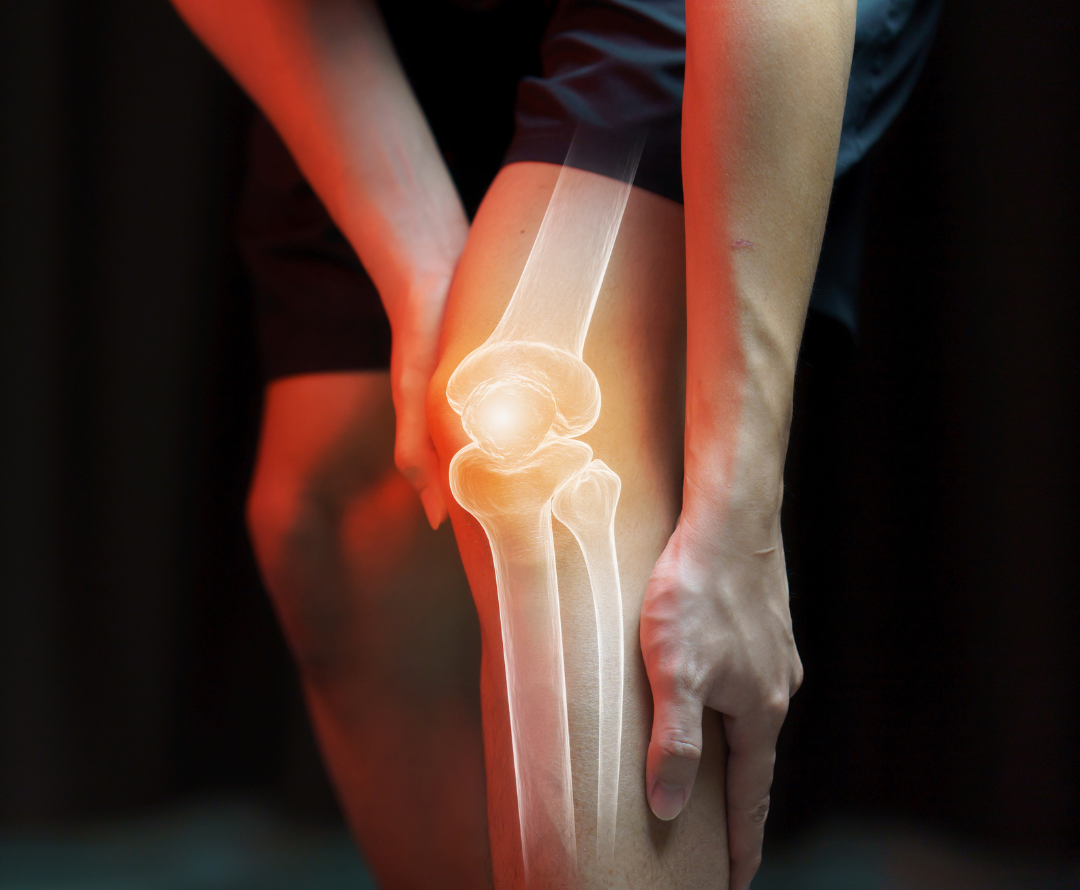
Knee pain is the most common form of joint pain—and often the first sign that joint damage, instability, or degeneration is developing. Because the knee is a load-bearing joint, it absorbs stress every time you stand, walk, or climb stairs. Over time, that stress can lead to chronic knee pain, reduced mobility, and compensation that affects other joints like the shoulders, hips, and ankles.

At our Murfreesboro clinic, we focus on identifying why knee pain started, not just where it hurts—so we can help patients move better without surgery or injections.
Zoom Image
Zoom Image

Why Knee Pain Is the Most Common Joint Problem

Knee pain occurs more frequently than pain in non-load-bearing joints because the knees support body weight with every step. Daily activities such as walking, standing, running, and climbing stairs place repetitive stress on the knee joint, making it more vulnerable to pain, instability, and degeneration over time.

Common Causes of Knee Pain and Joint Degeneration:

  • Knee osteoarthritis: Progressive cartilage wear in the knee joint, leading to stiffness, swelling, and pain during movement

  • Knee injury or trauma: Meniscus tears, ligament strains, fractures, or past injuries that destabilize the knee

  • Repetitive knee stress: Overuse from walking, standing, running, or occupational strain

  • Inflammation around the knee joint: Conditions such as bursitis or tendinitis caused by repeated motion

  • Post-surgical knee pain: Residual pain, scar tissue, or altered mechanics after knee procedures

This is why many patients searching for knee pain relief also experience stiffness, swelling, or weakness in nearby joints.

How Knee Pain Signals Bigger Joint Issues

When knee pain is ignored or treated only with rest or medication, the body adapts. That adaptation can lead to:

  • Shoulder pain from altered posture or movement patterns

  • Hip pain from uneven weight distribution

  • Ankle pain from instability and overcompensation

In many cases, knee pain is the first warning sign of progressive joint pain, not the final problem. Treating the knee properly often reduces stress throughout the entire joint system

Identify Pain. Prevent Damage.

Common Joint Pain Symptoms You Shouldn’t Ignore

Joint pain can vary greatly depending on the cause and location, ranging from mild discomfort to severe, disabling pain.

Common symptoms include:

  • Knee pain when standing, walking, or climbing stairs, which may feel sharp, dull, or throbbing

  • Knee stiffness or swelling, sometimes accompanied by warmth or redness around the joint

  • Instability or weakness in the knee, making it feel like it may give out during movement

  • Locking, clicking, or grinding sensations in the knee when bending or straightening

  • Reduced range of motion, making it harder to perform everyday tasks

  • Pain that spreads to nearby joints, such as the shoulder or hip, due to compensation

  • Tenderness when pressure is applied to the affected joint

If any of these symptoms are persistent, seeking professional treatment is essential to prevent further damage and restore normal function.

Zoom Image
Zoom Image

The Risks of Ignoring Joint Pain

Why Early Treatment Matters

Ignoring knee pain can lead to more serious consequences, especially because the knee is a load-bearing joint that absorbs stress with every step. When knee pain is left untreated, progressive joint damage, reduced mobility, and long-term compensation patterns can develop—often affecting other joints like the hips and shoulders.

Risks of untreated knee pain and joint degeneration include:

  • Chronic knee pain that becomes long-lasting and harder to manage

  • Joint deformities, as untreated knee conditions such as arthritis progress, leading to bone and cartilage changes

  • Loss of mobility, due to knee pain and stiffness, making walking, standing, or climbing stairs difficult

  • Muscle weakness around the knee joint, increasing the risk of instability and further injury

  • Permanent damage to knee cartilage or bone, resulting in long-term joint dysfunction

  • Increased risk of surgery, as untreated knee pain may eventually require surgical intervention if degeneration continues

Early intervention for knee pain is critical to slow joint degeneration, preserve mobility, and reduce the likelihood of surgical intervention.

Restore Mobility. Relieve Pain. Naturally.

Non-Surgical Knee & Joint Pain Relief in Murfreesboro

Our treatment approach focuses on correcting the root causes of knee pain while reducing stress on surrounding joints such as the shoulders and hips. Each care plan is personalized and may include non-invasive therapies designed to restore movement, stability, and long-term joint function—without surgery or injections.

Joint Decompression Therapy

This creates a vacuum effect that increases nutrient-rich fluid circulation, stretches soft tissues, and helps restore natural joint space and cushioning.

Laser Therapy

High-intensity laser light reduces inflammation and accelerates healing in nerves and muscles, relieving sciatica pain.

Nerve Support Therapy

We use, nutritional support, and neuromuscular rehabilitation to heal nerves and restore function.

StemWave™ Therapy

Uses focused acoustic waves to stimulate natural healing in damaged tissues, reducing pain and promoting faster recovery.

StemWave™ Therapy

Uses focused acoustic waves to stimulate natural healing in damaged tissues, reducing pain and promoting faster recovery.

Nerve Support Therapy

We use, nutritional support, and neuromuscular rehabilitation to heal nerves and restore function.

Patient Testimonials & Success Stories

Don't take our word for it; take a look at what our life-long patients have to say!

Frequently Asked Questions

Have questions about our treatments or conditions?

Find answers here to help guide you toward the right solution for your pain and recovery.

Q1: Can joint pain go away on its own?

While mild cases of joint pain may improve with rest and self-care, most types of joint pain require professional treatment to prevent long-term damage and improve mobility.

Q2: How long does it take to see results from joint pain treatment?

Many patients notice relief within 4–6 weeks of consistent treatment. However, the timeline can vary based on the severity of the condition and the specific treatments used.

Q3: Is laser therapy safe for treating joint pain?

Yes, Laser Therapy is a non-invasive, FDA-approved treatment that is completely safe and effective for reducing inflammation and promoting tissue healing.

Q4: Can chiropractic care help with joint pain?

Yes, chiropractic adjustments can realign joints, reduce pressure on nerves, and restore mobility, making it an effective treatment for joint pain.

Q5: Will I need surgery for my joint pain?

Most cases of joint pain can be managed with non-surgical treatments. Our goal is to help you avoid surgery and restore joint function naturally.

Q6: What causes joint pain in the first place?

Common causes of joint pain include injury, arthritis (osteoarthritis or rheumatoid arthritis), overuse, tendonitis, and bursitis. Identifying the underlying cause is crucial to providing the right treatment.

Q7: Can I prevent joint pain from returning?

Yes! Lifestyle changes such as strengthening the muscles around the joint, maintaining a healthy weight, and practicing proper movement techniques can help prevent joint pain from returning.

It’s Time for Real Relief

Let us help you take back your life from pain.

If knee pain is limiting your mobility or causing stress on other joints, early evaluation can help prevent long-term damage.

Zoom Image

Reclaim Mobility. Reclaim Freedom.