
Spinal Health & Chronic Pain Education by a Murfreesboro Chiropractic Clinic

Evidence-informed educational articles covering disc conditions, neuropathy, sciatica, and chronic neck or back pain — designed to help patients understand non-surgical care options and make informed decisions before seeking treatment.

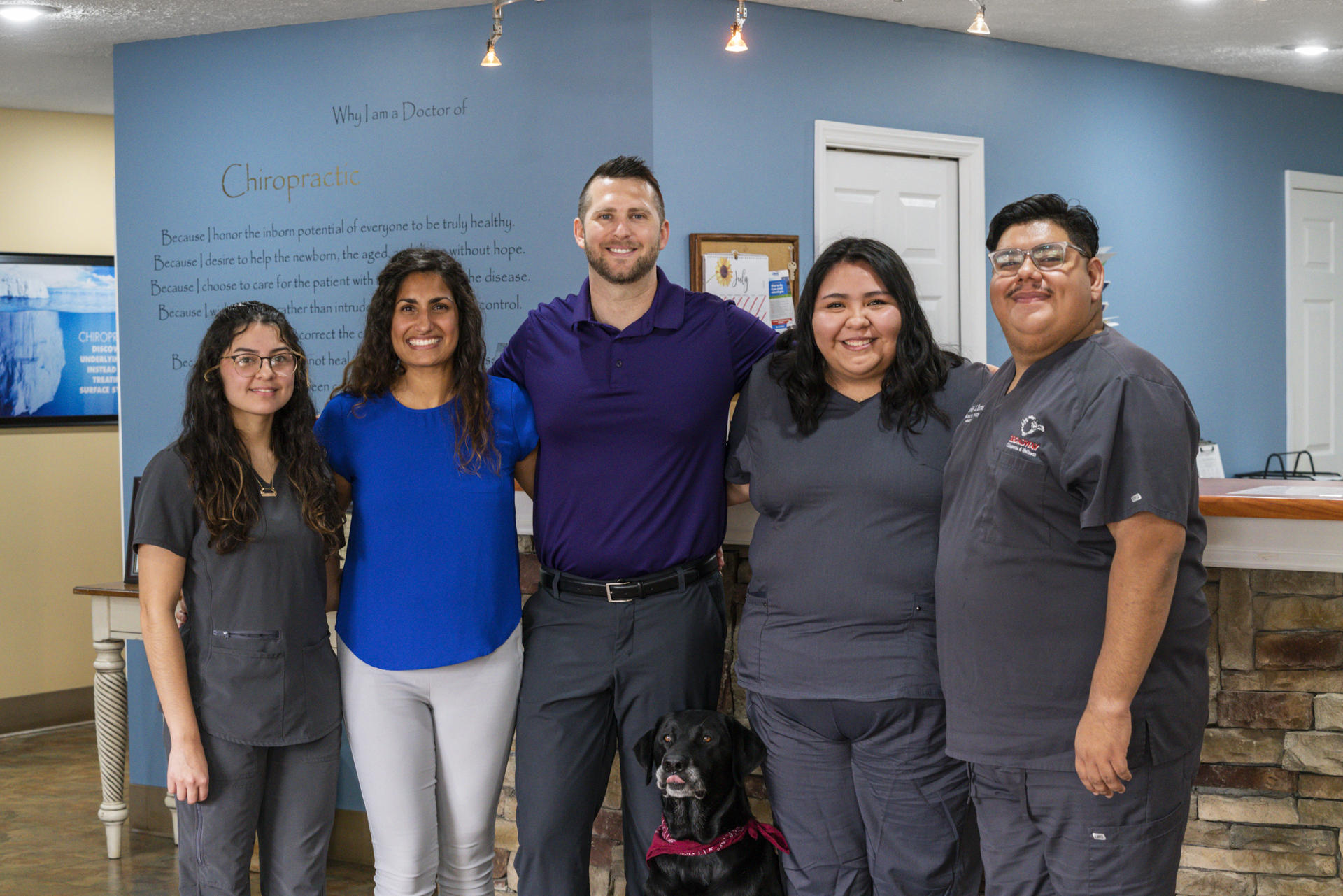
Content is created by the clinical team at The Disc Doctor to support patient education and informed decision-making.
Zoom Image

Medically Reviewed By:
Dr. Matthew T. Jacobs, DC
Chiropractic Physician | Clinical Lead, The Disc Doctor

Content on this page is medically reviewed for clinical accuracy and patient education standards by Dr. Jacobs,

a licensed chiropractic physician with experience treating disc conditions, neuropathy, sciatica, and chronic spinal pain.

[View Dr. Jacobs’ Clinical Bio Here →]

Browse Patient Education Articles

Explore articles organized by spinal condition, nerve pain concerns, and common questions patients ask before starting care.

Dr. Matthew T. Jacobs performing StemWave therapy on a patient's arm using a specialized device. The treatment is aimed at promoting healing and reducing pain through acoustic sound waves, part of a comprehensive approach to nerve regeneration.

Laser Therapy vs. Surgery and Medications: Dr. Matthew T. Jacobs Helps Murfreesboro Patients Make the Right Choice 2026

February 02, 202612 min read

Standing at the crossroads of pain treatment decisions can feel overwhelming. Your doctor recommends surgery. You've been taking medications for months—or years. You're hearing about non-surgical alternatives like laser therapy but don't know if they're legitimate options or just wishful thinking.

At The Disc Doctor in Murfreesboro, TN, Dr. Matthew T. Jacobs understands this dilemma intimately. After watching his own father undergo back surgery that left him in worse pain than before, Dr. Jacobs dedicated his career to helping patients explore all their options before making irreversible decisions about surgery or committing to long-term medication use.

This comprehensive guide will help you understand the real differences between laser therapy, surgery, and medications so you can make an informed decision about what's right for your situation.

Close-up of spilled white prescription pills from an orange medication bottle with the cap beside it. The pills are oval-shaped and scattered on a dark surface, representing medication for pain management or chronic conditions.

Understanding Your Pain Treatment Options

Before we compare these approaches, let's clarify what each one actually does and how it works.

Medications for Pain

When Murfreesboro patients visit conventional doctors with pain complaints, medication is almost always the first-line treatment. This typically progresses through several stages:

Over-the-Counter Options: NSAIDs like ibuprofen or naproxen that reduce inflammation and block pain signals. Acetaminophen that reduces pain perception in the brain. These work for mild to moderate pain but often cause gastric issues, cardiovascular risks with long-term use, and liver damage from excessive acetaminophen.

Prescription Pain Medications: Stronger NSAIDs like Celebrex, muscle relaxers like cyclobenzaprine, and opioids like hydrocodone or oxycodone for severe pain. These provide more significant symptom relief but come with drowsiness, cognitive impairment, dependency and addiction risk (especially with opioids), and serious side effects with long-term use.

Nerve Pain Medications: Drugs like gabapentin and pregabalin (Lyrica) specifically target neuropathic pain. Antidepressants like duloxetine also used for chronic pain. These medications can reduce nerve pain but cause dizziness, weight gain, brain fog, and only mask symptoms without healing damaged nerves.

Dr. Matthew T. Jacobs emphasizes a crucial point about medications: they manage symptoms rather than heal tissues. Once you stop taking the medication, pain typically returns because the underlying problem hasn't been addressed.

Surgery for Pain

When medications fail, surgery often becomes the recommended next step. Common surgical procedures for pain conditions include:

Spinal Surgery: Discectomy to remove herniated disc material, laminectomy to relieve spinal compression, spinal fusion to stabilize vertebrae, and artificial disc replacement. These procedures involve general anesthesia, hospital stays, lengthy recovery periods, significant infection and complication risks, and possibility of "failed back surgery syndrome."

Nerve Surgery: Surgical nerve decompression for conditions like carpal tunnel or tarsal tunnel syndrome. These carry risks of permanent nerve damage, incomplete pain relief, and potential need for revision surgery.

Joint Surgery: Arthroscopic procedures, joint replacement, and repair of damaged structures. While sometimes necessary, these involve major recovery periods, rehabilitation requirements, and risk of complications.

Dr. Jacobs's personal experience with his father's failed back surgery gives him unique perspective. Surgery should always be the last resort, not the first option—and certainly not before exploring proven non-surgical alternatives that carry far less risk.

Laser Therapy for Pain

Therapeutic laser therapy (also called low-level laser therapy or LLLT) represents a fundamentally different approach. Rather than masking pain with drugs or cutting into your body surgically, laser therapy stimulates your body's natural healing mechanisms.

At The Disc Doctor, Dr. Matthew T. Jacobs uses FDA-approved, high-intensity therapeutic lasers that deliver specific wavelengths of light energy deep into damaged tissues. This light energy is absorbed by cells, triggering increased cellular energy production, enhanced blood flow and circulation, reduced inflammation at the source, stimulation of tissue repair and regeneration, and activation of natural pain relief mechanisms.

Laser therapy is completely non-invasive (no cutting, no needles), painless, quick (sessions typically 5-15 minutes), and requires no downtime (you can resume normal activities immediately).

The Critical Differences: A Comprehensive Comparison

Let's examine how these three approaches compare across the factors that matter most to Murfreesboro patients.

How They Address Pain

Medications: Block pain signals or reduce inflammation temporarily. They mask symptoms rather than heal the underlying problem. Once you stop the medication, pain typically returns at the same or greater intensity. This is symptom management, not healing.

Surgery: Attempts to correct structural problems causing pain (removing herniated disc material, decompressing nerves, fusing unstable vertebrae). When successful, surgery can provide lasting relief. However, surgery doesn't guarantee pain relief and can sometimes worsen pain or create new problems. Clinical research indicates that up to 40% of patients who undergo back surgery continue to experience persistent pain or do not achieve the expected relief, a condition often referred to as failed back surgery syndrome.

Laser Therapy: Stimulates natural healing of damaged tissues at the cellular level. Reduces inflammation, promotes tissue regeneration, and enhances your body's repair mechanisms. Dr. Matthew T. Jacobs explains that laser therapy addresses root causes rather than just symptoms, leading to lasting improvement as tissues actually heal.

Safety and Risk Profile

Medications: Short-term risks include gastric bleeding, liver damage, drowsiness, and allergic reactions. Long-term medication use carries serious risks including opioid addiction (affecting over 2 million Americans), cardiovascular problems from NSAIDs, kidney and liver damage, cognitive impairment, and medication tolerance requiring higher doses.

Surgery: All surgery carries inherent risks including infection (1-4% of spinal surgeries), blood clots and pulmonary embolism, nerve damage during the procedure, anesthesia complications, and the possibility of failed surgery requiring revision. Dr. Jacobs's father experienced this firsthand—surgery that was supposed to help left him in constant, unrelenting pain.

Laser Therapy: Extremely safe with virtually no serious side effects reported. The FDA has approved laser therapy for pain treatment. No risk of addiction, infection, or permanent damage. The most commonly reported "side effect" is patients falling asleep during treatment because it's so relaxing. For Murfreesboro patients concerned about safety, laser therapy offers the lowest-risk option.

Recovery Time and Downtime

Medications: No recovery time required, though side effects like drowsiness can interfere with work and daily activities. However, long-term medication use can lead to decreased effectiveness requiring higher doses.

Surgery: Significant recovery periods ranging from weeks to months. Spinal surgery often requires 6-12 weeks before returning to normal activities. Physical limitations during recovery affect your ability to work, care for family, and maintain independence. Some patients never fully recover their previous function level.

Laser Therapy: Zero downtime. Dr. Matthew T. Jacobs schedules laser therapy sessions that fit into Murfreesboro patients' busy lives—many come during lunch breaks or between other commitments. You can drive yourself to and from appointments, work the same day, exercise (within your current limitations), and maintain all normal activities. Treatment doesn't disrupt your life while you're healing.

Cost Considerations

Medications: Initial costs seem low with generic options, but expenses accumulate over months and years of use. A patient taking gabapentin, NSAIDs, and occasional muscle relaxers might spend $100-300+ monthly. Over years, this adds up to thousands of dollars while never actually solving the problem. Factor in costs of managing side effects and medication-related complications.

Surgery: Extremely expensive even with insurance. Spinal surgery costs typically range from $20,000 to $150,000+ depending on complexity. Insurance may cover much of this, but deductibles, co-pays, and out-of-pocket maximums still result in significant patient expense. Lost wages during recovery add additional financial burden. If surgery fails, costs multiply for revision procedures.

Laser Therapy: Treatment protocols typically require 8-15 sessions at rates that vary by condition and complexity. While the upfront cost may seem higher than a month of medication, laser therapy aims to solve the problem rather than manage it indefinitely. Many Murfreesboro patients find that successful laser therapy treatment is far more cost-effective than years of medication or a single surgical procedure. The Disc Doctor offers flexible payment options.

Effectiveness for Different Conditions

Medications work best for: Acute inflammatory conditions needing temporary relief, mild to moderate pain that's expected to resolve naturally, and conditions where inflammation is the primary problem. Medications are less effective for: Chronic pain requiring indefinite use, conditions with structural problems medications can't fix, and nerve damage (neuropathy medications only mask symptoms).

Surgery may be necessary for: Severe structural problems (large disc herniations compressing nerves, spinal instability, advanced spinal stenosis with neurological symptoms), conditions that haven't responded to conservative treatment over 6+ months, and progressive neurological deficits requiring urgent intervention. Surgery should be avoided when: Conservative treatments haven't been adequately tried, pain is the only symptom without neurological deficits, and imaging findings don't correlate with symptoms.

Laser Therapy excels at treating: Neuropathy (diabetic, chemotherapy-induced, peripheral), disc herniations and bulges (especially when combined with spinal decompression), sciatica and radicular pain, chronic back and neck pain, arthritis pain and inflammation, sports injuries and soft tissue damage, and post-surgical recovery and scar tissue. Laser therapy is less effective for: Severe structural instability requiring stabilization, large disc fragments requiring removal, and acute traumatic injuries needing immediate surgical intervention.

Real Patients, Real Decisions: Murfreesboro Stories

Dr. Matthew T. Jacobs has helped many Murfreesboro residents navigate these difficult treatment decisions. Here are some real examples:

Sarah's Story - Avoiding Surgery: Sarah, a 52-year-old teacher, was told she needed spinal fusion surgery for degenerative disc disease causing chronic back pain. Before committing to surgery, she consulted with Dr. Jacobs at The Disc Doctor. After evaluation, Dr. Jacobs recommended a comprehensive protocol including spinal decompression, laser therapy, and targeted adjustments. "I was skeptical that anything besides surgery could help," Sarah shared. "But Dr. Jacobs explained that surgery should be the last resort. After three months of treatment, my pain decreased by about 80%. I'm back to teaching full-time, playing with my grandchildren, and living without the constant ache. I'm so grateful I explored non-surgical options before making an irreversible decision."

Michael's Story - Breaking Free from Medications: Michael, 45, had been taking gabapentin for diabetic neuropathy for over three years. "The medication helped initially, but over time I needed higher doses. I was constantly foggy, gaining weight, and the numbness in my feet wasn't getting any better." Dr. Matthew T. Jacobs explained how laser therapy could actually help heal damaged nerves rather than just masking symptoms. After completing his laser therapy protocol, Michael was able to reduce his gabapentin dose by 75% and experienced restored sensation in his feet. "I can feel textures again, the burning pain is gone, and I don't feel mentally foggy anymore. This is actual healing, not just covering up the problem."

James's Story - Surgery Wasn't the Answer: James underwent spinal surgery for a herniated disc but continued experiencing significant pain afterwards. "The surgeon said everything looked good, but I was still in agony," James explained. He came to The Disc Doctor as a last resort before considering revision surgery. Dr. Matthew T. Jacobs identified that while the disc herniation had been addressed surgically, significant inflammation and nerve irritation remained. Through laser therapy and other treatments, James finally achieved the relief his surgery hadn't provided. "Dr. Jacobs helped me when surgery failed. I wish I'd tried this approach first before going under the knife."

A healthcare professional performing laser therapy on a patient's arm. The therapy uses a red light laser device to stimulate healing and reduce pain, a technique commonly used for nerve regeneration and pain management.

When Laser Therapy Approach Makes Sense

Dr. Matthew T. Jacobs believes in honest, individualized assessment. Not every patient can avoid surgery, and some conditions do require medical management. Here's his guidance for Murfreesboro patients:

Consider Laser Therapy When:

  • You want to avoid surgery if possible

  • You're tired of depending on medications that only mask symptoms

  • Your pain is chronic and affecting your quality of life

  • You have neuropathy, disc problems, sciatica, arthritis, or chronic pain

  • You want to heal tissues rather than just manage symptoms

  • You're concerned about medication side effects or surgery risks

Dr. Jacobs's Advice: Laser therapy should be tried before resorting to surgery for most musculoskeletal and nerve pain conditions. It offers the best risk-to-benefit ratio and addresses root causes of pain.

Dr. Matthew T. Jacobs's Approach: Comprehensive Care

At The Disc Doctor, Dr. Jacobs rarely relies on a single treatment modality. His approach combines the best aspects of multiple therapies:

For Neuropathy:

  • Laser therapy to support nerve function and circulation

  • StemWave therapy to enhance cellular signaling and tissue response

  • Nutritional and lifestyle guidance to support nerve health

For Disc Herniation:

  • Spinal decompression to reduce disc pressure and promote hydration

  • Laser therapy to help manage inflammation and support tissue repair

  • Targeted spinal adjustments to improve biomechanics and motion

For Sciatica:

  • Laser therapy to address nerve irritation

  • Spinal decompression when disc involvement is present

  • Spinal adjustments to improve joint mechanics and reduce recurring stress on affected nerves

This multi-therapy approach allows care plans to be customized without relying on a single intervention.

This comprehensive approach provides better outcomes than any single treatment alone. Dr. Matthew T. Jacobs customizes protocols based on each Murfreesboro patient's specific condition, severity, and goals.

Making Your Decision

Choosing between laser therapy, surgery, and medications is a personal decision that should be based on your specific condition, the severity of your symptoms, your risk tolerance, your lifestyle and goals, and the expert guidance of a qualified healthcare provider.

Dr. Matthew T. Jacobs encourages Murfreesboro patients to ask themselves these questions:

  • Have I truly explored all non-surgical options?

  • Am I willing to address root causes rather than just manage symptoms?

  • What are my long-term goals for health and quality of life?

  • What risks am I willing to accept?

  • How important is avoiding downtime and maintaining my current lifestyle during treatment?

Take the Next Step Toward Informed Decision-Making

If you're facing difficult decisions about how to treat your pain, schedule a consultation with Dr. Matthew T. Jacobs at The Disc Doctor. He'll provide honest assessment of your condition, explain all your treatment options (including when surgery might be necessary), and outline realistic expectations for each approach.

Contact The Disc Doctor today:

📞 (615) 617-5550

📍 272 Heritage Park Drive, Murfreesboro, TN

Office Hours:

  • Monday, Wednesday, Thursday: 10:00am - 1:00pm & 3:00pm - 6:00pm

  • Tuesday: 3:00pm - 6:00pm

  • Friday: 10:00am - 1:00pm

During your consultation, Dr. Jacobs will review your medical history and imaging, perform comprehensive examination, discuss the pros and cons of all relevant treatment options, and answer all your questions honestly.

You don't have to choose between a lifetime of medication dependency and risky surgery. For many Murfreesboro patients, laser therapy and other non-surgical treatments offer a third option—one that addresses pain at its source, promotes actual healing, and comes with minimal risk.

Make an informed decision about your health. Call (615) 617-5550 to schedule your consultation and discover which treatment approach is right for your unique situation.

Your pain relief journey should start with the safest, most conservative options that have the highest chance of success with the lowest risk. At The Disc Doctor, Dr. Matthew T. Jacobs is committed to helping you find the best path forward.


The Disc Doctor - Murfreesboro's trusted advisor for pain treatment decisions. Dr. Matthew T. Jacobs provides honest, comprehensive evaluations helping patients understand all their options including advanced laser therapy, spinal decompression, and non-surgical treatments. Before committing to surgery or long-term medications, discover what safer, effective alternatives exist. Serving Murfreesboro, Smyrna, La Vergne, and all of Rutherford County, TN. Call (615) 617-5550 for your consultation.

diabetic neuropathydiabetic treatmentnerve regenerationMurfreesboro TNDr. Matthew T. Jacobspain relief, diabetic foot careStemWave therapylaser therapynerve healingnon-surgical treatment
Back to Blog

StemWave™ Therapy

Uses focused acoustic waves to stimulate natural healing in damaged tissues, reducing pain and promoting faster recovery.

Nerve Support Therapy

We use, nutritional support, and neuromuscular rehabilitation to heal nerves and restore function.

Patient Testimonials & Success Stories

Don't take our word for it; take a look at what our life-long patients have to say!

Frequently Asked Questions

Have questions about our treatments or conditions?

Find answers here to help guide you toward the right solution for your pain and recovery.

Q1. What makes The Disc Doctor team different from other chiropractic clinics?

At The Disc Doctor, our team is focused on treating the root causes of chronic spine, nerve, and joint conditions using advanced, non-surgical treatments. We specialize in complex pain conditions, offering personalized care with the latest evidence-based therapies. Our board-certified chiropractors bring a deep understanding of musculoskeletal health, advanced clinical neurology, and holistic recovery methods to ensure long-term results.

Q2. What are the qualifications of your chiropractors?

Our chiropractors, Dr. Matthew T. Jacobs and Dr. Krysten A. Jacobs, hold a Doctorate in Chiropractic, are board-certified by the U.S. National Board of Chiropractic Examiners, and have completed extensive ongoing training in advanced clinical neurology, anatomy, pain science, and musculoskeletal rehabilitation.

Q3. How does your team approach treatment?

We focus on treating the underlying causes of your pain, rather than just masking symptoms. Using a combination of advanced treatments, including spinal decompression, laser therapy, and regenerative therapies, our team works with you to create a personalized, non-invasive treatment plan aimed at long-term pain relief, functional recovery, and improved quality of life.

Q4. Do I need a referral to see a chiropractor at The Disc Doctor?

No, a referral is not required to schedule an appointment with one of our chiropractors. Simply contact us, and we'll help you schedule a consultation to discuss your symptoms and determine the best treatment approach.

Q5. How do I know if spinal decompression or other treatments are right for me?

During your consultation, our doctors will perform a thorough evaluation of your symptoms and health history to determine the root causes of your pain. Based on this, we will recommend the most effective treatments tailored to your individual needs, including spinal decompression or other non-invasive therapies.

Q6. Are the treatments provided by The Disc Doctor safe?

Yes, all of our treatments are safe, non-invasive, and FDA-approved. We use advanced technologies like spinal decompression and laser therapy, which have been proven to help alleviate pain, improve mobility, and promote healing without the need for surgery or medications.

Q7. How long does it take to see results from treatment?

The timeline for seeing results varies depending on the condition being treated and your individual response to therapy. Many patients experience pain relief and improved function within a few weeks, while others may take a few months. Our team will provide regular assessments to track your progress and adjust the treatment plan as needed.

Q8. What conditions do you treat?

Our team specializes in treating a wide range of spine, nerve, and joint conditions, including:

⦿ Herniated discs

⦿ Sciatica

⦿ Neuropathy

⦿ Degenerative disc disease

⦿ Spinal stenosis

⦿ Chronic neck and back pain

⦿ Peripheral neuropathy

⦿ Joint pain and degeneration (knee, shoulder)

Q9. Will I be able to avoid surgery with the treatments offered at The Disc Doctor?

Our primary goal is to help you avoid surgery by offering non-invasive treatments that target the root cause of your pain. Many patients find significant relief through therapies like spinal decompression, laser therapy, and regenerative treatments. We’ll work with you to explore all non-surgical options to improve your condition.

Q10. Can I continue my daily activities during treatment?

Yes! Our non-invasive treatments are designed to cause minimal disruption to your daily life. Most patients can continue with their regular activities while undergoing treatment, with many reporting improved mobility and pain relief after just a few sessions.

It’s Time for Real Relief

Let us help you take back your life from pain.

Too many people are told surgery or endless medications are their only options — but that’s simply not true. With advanced, non-surgical treatments designed to target the root cause of back pain, neuropathy, and disc issues, we help patients restore mobility, reduce pain, and get back to living life on their terms.

Zoom Image

Reclaim Mobility. Reclaim Freedom.